
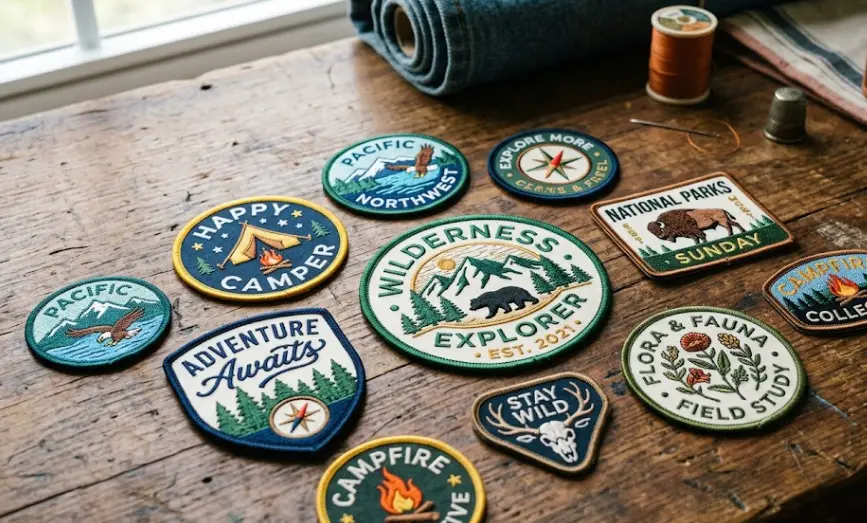
Custom embroidered patches have become one of the most versatile branding and identity tools available to businesses, schools, sports teams, and organizations across the United States. Whether stitched onto a uniform, ironed onto a jacket, or displayed on a backpack, these small pieces of fabric carry big meaning.
If you have ever wondered what goes into making a patch, which style suits your project, or how to work with a custom embroidered patch maker to get the best results, this guide covers everything you need to know before placing an order.
What Are Custom Embroidered Patches?
Custom embroidered patches are fabric emblems created by stitching colored thread onto a base material, typically twill, felt, or canvas, to form a logo, design, or text. Unlike printed patches, embroidered patches rely on thread density and stitch direction to create texture, dimension, and a raised, tactile finish that instantly signals quality.
These patches are manufactured to exact specifications, including size, thread colors, backing type, and border style, which makes them a popular choice for personalized embroidered patches representing a brand, team, unit, or personal identity.
Because the design is literally woven into the fabric, embroidered patches tend to outlast printed or heat-transferred alternatives, holding their color and shape through repeated washing, sun exposure, and daily wear.
The appeal of embroidered patches lies in their durability and their ability to communicate identity without a single word. A patch on a jacket sleeve, a cap, or a bag instantly tells a story about who someone is, what group they belong to, or what they stand for.
That combination of function and symbolism is exactly why demand for custom embroidered patches has grown so steadily across so many industries.
How Are Embroidered Patches Made?
The process of creating an embroidered patch begins with a digital design file. A skilled digitizer converts your artwork, logo, or concept into a stitch file that embroidery machines can read. This step determines stitch direction, thread density, and color sequencing, and it has a direct impact on how sharp and clean the finished patch will look.
Once digitized, the design is stitched onto a backing fabric using an industrial embroidery machine capable of producing thousands of stitches per minute. Multiple thread colors are layered to build up the design, with fine details often requiring specialized techniques such as satin stitching for text and borders or fill stitching for larger color blocks.
After stitching, the patch is cut to its final shape using a hot knife or laser cutter, which seals the edges and prevents fraying. At this stage, the appropriate backing option (iron-on, sew-on, Velcro, or adhesive) is applied. A final quality check ensures thread tension, color accuracy, and edge finishing meet production standards before the patches are packaged and shipped.
Understanding this production process helps buyers appreciate why pricing varies between simple, low-stitch-count designs and highly detailed patches with multiple colors, metallic threads, or 3D puff embroidery elements.
Different Types of Embroidered Patches
The type you choose affects both appearance and application, so it helps to understand the main categories before finalizing your order.
Classic Embroidered Patches
Classic embroidered patches feature traditional thread stitching over a durable twill backing. They offer a textured, classic look that has been popular on uniforms and gear for decades. They are available in 50% to 100% thread coverage depending on how much base twill shows. A 100% covered patch creates a thick, solid badge with bold colors. These patches are tough, washable, and built to handle everyday wear. Overlocked or heat-cut edges keep the borders clean and prevent fraying over time. You can get them with iron-on, Velcro, or sew-on backings. They are ideal for company uniforms, club badges, and casual jackets.
3D Embroidered Puff Patches
3D embroidered puff patches use a layer of high-density foam under the stitching. This lifts the design off the fabric to create a bold, raised effect. The thread completely covers the foam layer to give logos physical depth. The result is a sharp, dimensional finish that immediately grabs attention. They work best with bold block letters, thick lines, and simple shapes. Fine details and small text do not translate well over foam. You will see these patches mostly on snapback caps, beanies, and athletic wear. They give streetwear and sports gear a high-end, custom look.
Glow in the Dark Embroidered Patches
Glow-in-the-dark patches look like normal embroidered badges during the day. Once the lights go down, they emit a bright luminescent glow. They are made using special photoluminescent thread that absorbs light. A quick charge under sunlight or a lamp keeps them glowing for hours in the dark. During daylight, the glowing thread looks off-white or light pastel. It blends smoothly into the overall design until it turns dark. These patches are popular for night safety gear, tactical outfits, and fun merchandise. They add a practical and eye-catching feature to any garment.
Metallic Embroidered Thread Patches
Metallic patches use shimmering gold, silver, or bronze foil thread. They reflect light to give any design a polished, high-end appearance. The thread is made by wrapping a thin metallic foil around a strong inner core. This process maintains flexibility while providing a bright metallic shine. Because metallic thread is stiffer than regular thread, it requires careful machine tension. Once stitched, quality metallic patches hold their shine without tarnishing. These patches are ideal for military honors, anniversary crests, and luxury apparel. They give logos an instant premium upgrade.
Benefits of Custom Embroidered Patches
The popularity of embroidered patches comes down to a combination of practical and branding advantages that few other promotional products can match.
Embroidered patches are built to last. The stitched thread construction resists fading, cracking, and peeling far better than printed graphics, which means a patch applied today can still look sharp years later. They also offer a premium, tactile appearance that immediately elevates the perceived value of a uniform, garment, or accessory, giving organizations a professional edge over competitors relying on cheaper printed alternatives.
Cost efficiency is another major advantage, particularly at scale. Bulk ordering custom logo patches significantly reduces the per-unit price, making patches an affordable way to brand large teams, staff uniforms, or promotional merchandise. Patches are also incredibly versatile, transferable between jackets, bags, hats, and vests, and can be swapped out easily when using Velcro backing.
Beyond function, patches carry symbolic weight. They build a sense of belonging and pride, whether worn by a military unit, a motorcycle club, or a youth sports team. That emotional connection is something printed graphics rarely achieve, and it is a major reason organizations continue to invest in embroidered identity over cheaper short-term alternatives.
Industries That Use Embroidered Patches
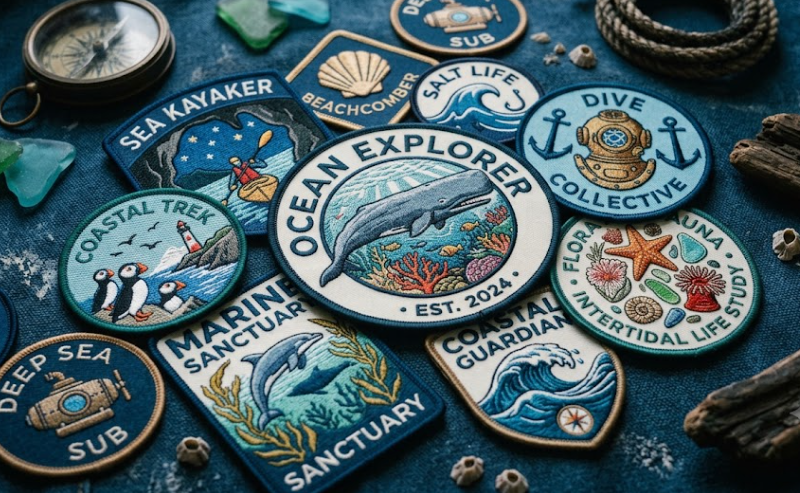
Custom embroidered patches serve an enormous range of industries, each with distinct needs and design priorities.
Businesses
Companies use embroidered patches on uniforms, workwear, and branded apparel to reinforce professionalism and brand recognition. A well-placed logo patch on a technician’s jacket or a hospitality staff uniform communicates consistency and trust to customers.
Military
The military relies heavily on patches for unit identification, rank insignia, and morale purposes. Velcro embroidered patches are especially common in this space, allowing service members to quickly change insignia based on assignment or uniform requirements.
Schools
Educational institutions use patches on blazers, letterman jackets, and club uniforms to represent school pride, academic achievement, and extracurricular involvement. Patches often serve as a rite of passage, awarded for milestones or team membership.
Sports Teams
From youth leagues to semi-professional clubs, sports teams use patches on jerseys, jackets, and bags to display team logos, championship achievements, and sponsor branding.
Motorcycle Clubs
Motorcycle clubs have one of the richest patch traditions in the country, using large back patches, rockers, and smaller insignia to signify membership, rank, and chapter affiliation. Sew-on backing is standard here due to the durability required for road use.
Fashion Brands
Streetwear and fashion labels increasingly use embroidered patches as design elements on jackets, hats, and accessories, blending branding with aesthetic appeal to create limited-edition or collectible pieces.
How to Design the Perfect Patch
A great patch starts with a clear, simple design. Overly detailed artwork with fine text or thin lines often does not translate well into embroidery, since thread has physical thickness that limits how much detail a small patch can hold. Bold outlines, moderate text sizing, and limited color palettes tend to produce the cleanest results.
Size and shape matter too. Consider where the patch will be worn. A chest patch needs to be smaller and more legible at a glance than a back patch designed for visibility from a distance.
Standard shapes like circles, ovals, and shields tend to be more cost-effective to produce than highly irregular custom die-cut shapes, though a distinctive silhouette can be worth the investment for brand recognition.
Color selection should account for contrast and thread availability. High-contrast color combinations embroider more clearly than subtle gradients, which are difficult to replicate with stitching.
Finally, always request a digital proof before production begins. A reputable custom embroidered patch maker will provide a mockup so you can review placement, sizing, and color accuracy before committing to a full production run.
Choosing the Right Backing
Selecting the correct backing option depends entirely on how and where the patch will be used.
Iron-on Backing
Heat-activated glue patches attached with a simple household iron. It suits fabric items that can tolerate direct heat and users who want a quick, no-sew application.
Sew-on Backing
No backing patches directly stitched to the fabric. It is the most durable and secure option, best suited for uniforms, workwear, and items subject to heavy washing or movement.
Velcro Backing
Flexible hook-and-loop patches. It offers unmatched flexibility for patches that need to be interchangeable, common in tactical and military gear.
Adhesive peel-and-stick
Sticker-based backing is the most convenient option for temporary or promotional use but should not be relied upon for long-term wear.
Many organizations also combine backing types across a single order, using Velcro for tactical gear and sew-on for formal uniforms, depending on the application. A knowledgeable patch supplier can advise on the best backing combination based on your fabric type, usage frequency, and durability requirements.
Embroidered vs Woven vs PVC Patches
While embroidered patches remain the most popular choice, they are not the only option available. Woven patches use a tighter weave with thinner thread, allowing for more intricate detail and finer text than traditional embroidery, making them ideal for designs with small lettering or photographic-style detail. However, woven patches lack the raised, textured look that gives embroidered patches their classic dimensional appearance.
PVC patches are made from molded rubber-like material and offer a bold, 3D look with vibrant colors that will not fade or fray in outdoor conditions. They are highly durable and waterproof, making them popular for tactical and outdoor gear, but they lack the traditional textile feel that many customers associate with classic patches.
For buyers seeking the timeless, tactile, and traditional look most associated with uniforms, military gear, and team apparel, embroidered patches remain the preferred choice. Those needing fine detail may lean toward woven, while those prioritizing weatherproof durability may consider PVC.
Frequently Asked Questions
How long does it take to produce custom embroidered patches?
Production timelines typically range from seven to fourteen business days depending on order complexity, quantity, and current production volume. Rush production is often available for time-sensitive orders such as event deadlines or seasonal uniform rollouts. After the initial design proof is approved, most of this timeline covers digitizing, sampling, stitching, and quality control. Buyers planning large uniform rollouts or event merchandise should factor in shipping time on top of production, and it is always worth confirming current turnaround estimates directly with your supplier before finalizing an order date.
What is the minimum order quantity for custom patches?
Minimum order quantities vary by supplier, but many custom embroidered patch maker operations offer low minimums starting around twenty-five to fifty pieces, making patches accessible for small businesses, individual clubs, or personal projects. Larger organizations ordering in bulk, from one hundred to several thousand units, typically benefit from significantly reduced per-unit pricing. If your project involves a small test batch before a larger rollout, ask your supplier whether they offer tiered pricing so you can scale up smoothly once the design is finalized and approved.
How much do custom embroidered patches cost?
Custom embroidered patch pricing generally costs between $0.44 and $42.60 per patch, depending heavily on the quantity ordered, size, and embroidery coverage. Small orders of a minimum of 10 pieces cost about $8.53 to $42.60 each, while bulk orders of 100+ drop to $1.39 to $7.45 each, and orders in the thousands can fall under $0.50 per piece.
Can I get a sample before ordering in bulk?
Yes, most reputable suppliers offer a digital proof at minimum, and many can produce a physical sample patch for an additional fee before full production begins. This step is especially valuable for first-time orders, complex designs, or projects where color accuracy and stitch quality are critical to brand consistency. Reviewing a sample allows you to confirm sizing, placement, thread colors, and backing type in person, reducing the risk of costly reorders and ensuring the final bulk shipment matches your expectations exactly.
Why Choose USA Custom Embroidered Patches
Custom embroidered patches remain one of the most durable, versatile, and visually impactful ways to represent a brand, team, or organization, whether applied through iron-on convenience, sew-on permanence, or Velcro flexibility.
From military units and motorcycle clubs to schools, sports teams, and growing businesses, patches continue to earn their place as a trusted identity tool precisely because they combine craftsmanship with lasting durability. Get a free quote today and see how straightforward premium patch production can be.
Every order benefits from experienced digitizing, rigorous quality control, and a production team that understands the difference between a patch that looks good in a mockup and one that holds up after months of real-world wear.
Unlike generic overseas patch brokers, USA Custom Embroidered Patches offers direct access to production specialists who can advise on backing selection, thread density, and design adjustments before a single stitch is sewn.
Ordering custom embroidered patches should feel simple, transparent, and reliable from design to delivery, and that is exactly the experience USA Custom Embroidered Patches was built to deliver. Contact us today for a free quote.

Emma Carter